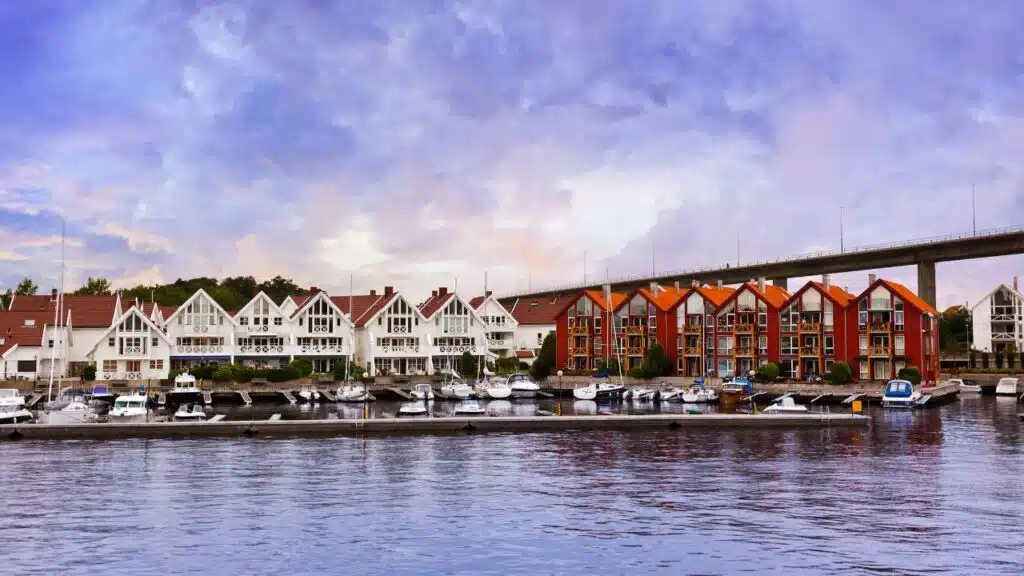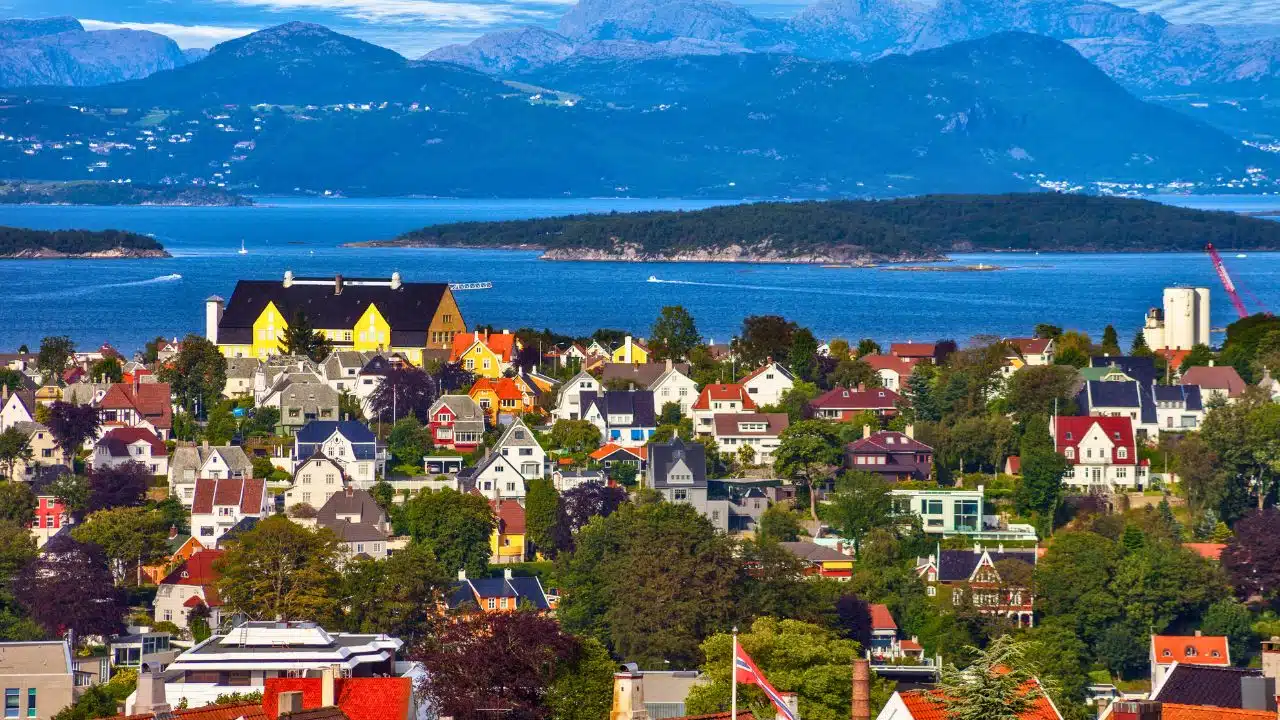
Surrounded by fjords, filled with charm, and packed with adventure—Stavanger is where natural beauty meets Nordic cool. From jaw-dropping cliff hikes to cobblestone streets lined with white wooden houses, this coastal gem is the ultimate blend of wild and wonderful. Stavanger blends old charm and modern energy into a scenic city that inspires as much as it excites. Visit Stavanger Cathedral for a stunning glimpse into history, admire the white 18th-century cottages that comprise Old Town, and then take in the bold colors of Fargagaten. The city pulses with memory under every step. But there’s adventure too, from the coastal sands of Jæren to the soaring heights of Preikestolen (Pulpit Rock). Whether you’re here for the views, the history, or the fresh-from-the-sea eats, Stavanger knows how to make a lasting impression.
This guide may contain affiliate links. Making a purchase through our site may earn us a commission at no additional cost to you. This does not affect the independence or quality of our content.
Must-See Attractions
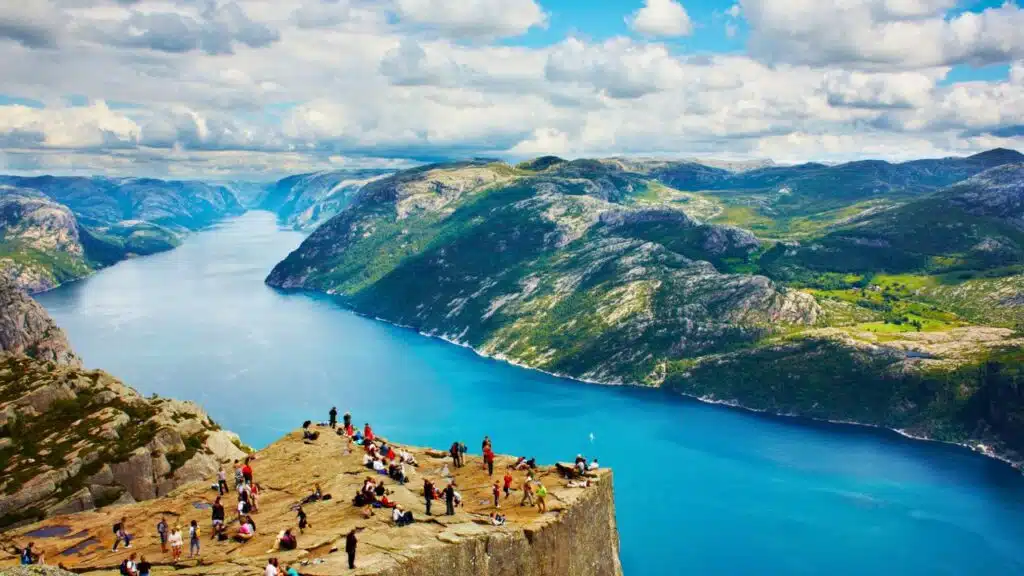
Pulpit Rock (Preikestolen)
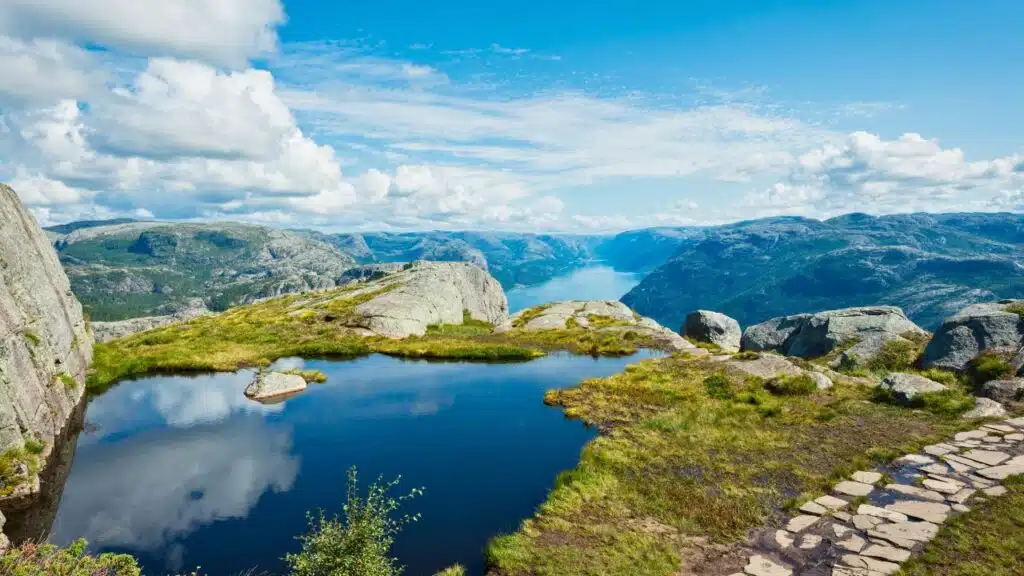
This is the stuff of bucket lists. A hike up to Preikestolen rewards you with one of the most breathtaking views in all of Norway—a flat-topped cliff soaring 1,968 feet above the Lysefjord. It’s a challenge, yes, but the panoramic payoff? Unreal.
The Valberg Tower (Valbergtarnet)
For sweeping views of the harbor and Old Town, head to this historic watchtower in the city center. Once manned by night watchmen, it’s now a peaceful perch perfect for photos and a quick step back into 19th-century Stavanger.
Stavanger Maritime Museum
Dock yourself here for a look at the city’s deep ties to the sea. With model ships, vintage interiors, and tales of local sailors, this museum paints a vivid picture of Stavanger’s seafaring past—and it’s located in a charming waterside warehouse.
Flyhistorisk Museum Sola
Aviation buffs, this one’s for you. Located near the airport, this museum showcases vintage aircraft and wartime history, including stories from Norway’s World War II airfields. It’s hands-on, family-friendly, and surprisingly fascinating.
Florli 4,444
Ready to climb the world’s longest wooden staircase? Flørli’s legendary 4,444 steps lead you up a scenic mountainside, with jaw-dropping views of the fjord all the way up. It’s part adventure, part workout, and 100% unforgettable.
Featured Tour
Lysefjord RIB Safari from Stavanger
Hop aboard a high-speed RIB boat and see Stavanger from a whole new angle—the sea! This Lysefjord safari takes you past charming islands, hidden wildlife, and dramatic cliffs, with front-row views of the iconic Pulpit Rock towering overhead. Feel the mist from the powerful Hengjanefossen waterfall (nicknamed Whiskeyfalls) and hear the legend of the Vagabond’s Cave along the way. It’s an adrenaline-pumping ride mixed with jaw-dropping fjord scenery—the perfect combo of thrill and tranquility.
Family-Friendly Fun
Norwegian Petroleum Museum
Don’t let the name fool you—this museum is way cooler than it sounds. Interactive exhibits, model oil rigs, and hands-on experiments make it a hit with kids and curious adults. The Norwegian Petroleum Museum is a surprisingly fun way to dive into the story of Norway’s energy boom.
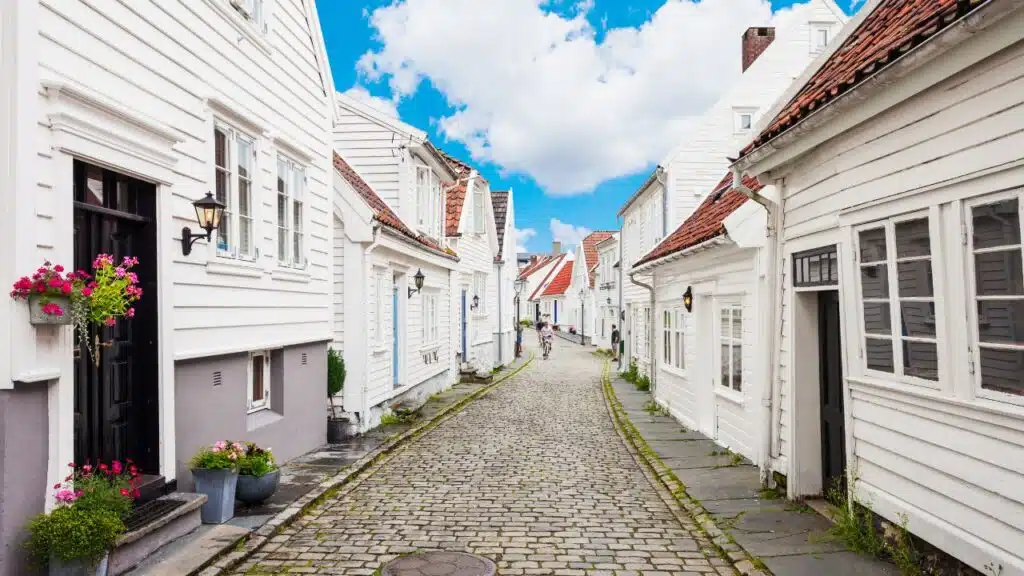
Gamle Stavanger
Step into a real-life storybook. Gamle Stavanger is the city’s old town, a cluster of over 170 white wooden cottages with cobblestone streets and blooming flowers in every window box. It’s a peaceful place for a stroll, a photo op, and a peek into Stavanger’s 18th-century roots.
The Norwegian Canning Museum
Yes, a museum about sardines—and yes, it’s oddly delightful. Housed in a former cannery, this quirky museum brings Stavanger’s once-booming sardine industry to life with old machines, vintage ads, and even tastings. Kids love the hands-on parts (and the retro uniforms!).
Places to Eat
Places to Stay
Best Time to Visit
The best time to visit Stavanger is May through September, when the weather is mild and the fjords are at their most photogenic. June to August brings long daylight hours and perfect hiking conditions—ideal for tackling Pulpit Rock or island hopping. Spring offers blooming landscapes and fewer crowds, while autumn transforms the region into a golden, cozy haven. Winter also has its charms. While the temperatures drop, the crowds do too, leaving attractions with far fewer people, if any at all, making this your best chance to score a deal on your travel. Just remember to pack for changing weather—Norway is nothing if not unpredictable.